From the Studio · For Returning Students
Beginning Again Is a Discipline.
Almost every adult who sits down at this piano begins with the same apology: I played as a child, I stopped, I have forgotten everything. They have not. What they have forgotten is how much of musicianship was never in the fingers in the first place.
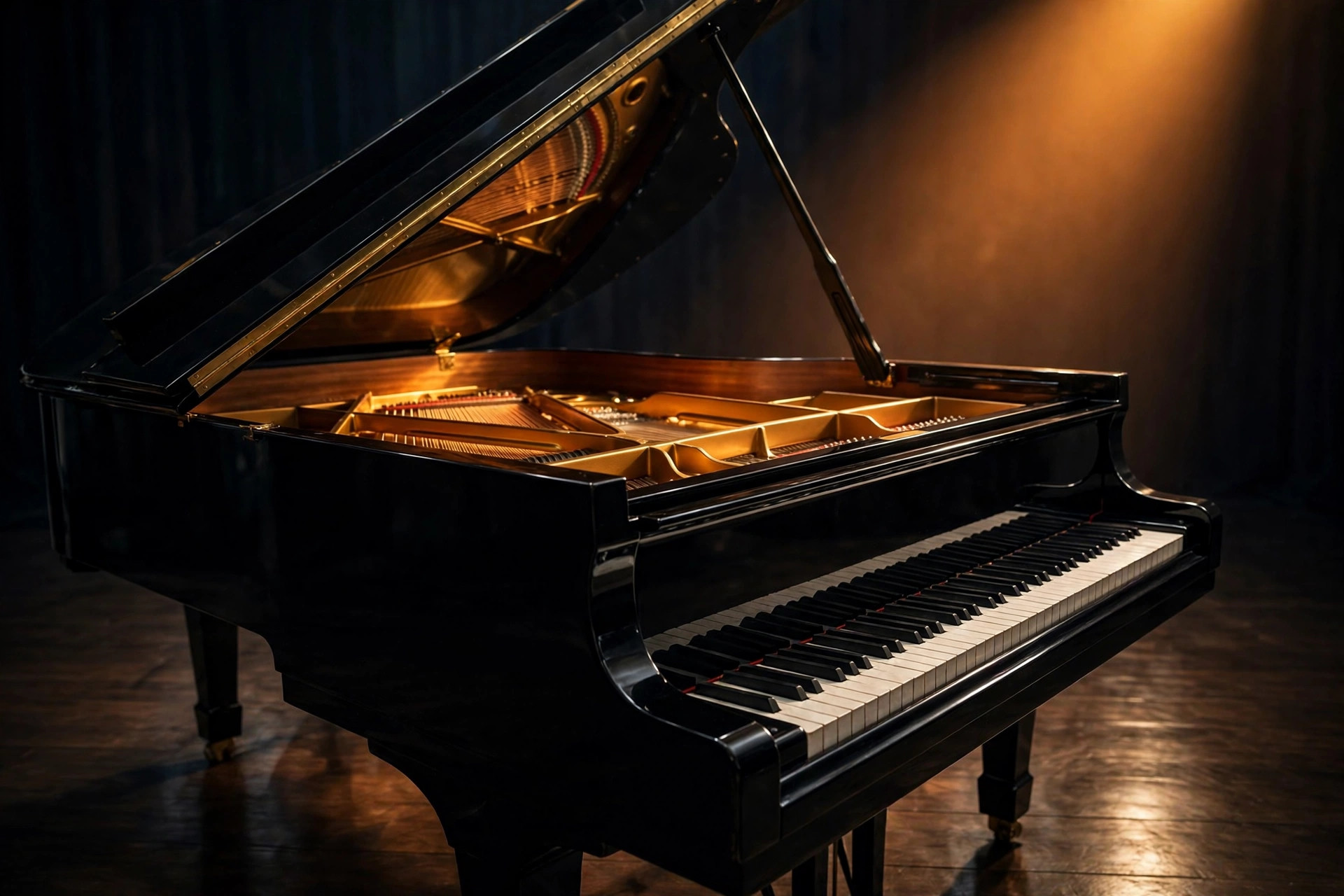
The instrument at the center of the work. Photographic plate from the Studio's own collection.
The short answer: a second beginning is not a lesser beginning. The returning student brings an ear formed by a lifetime of listening, and the work is purposeful practice — knowing what to listen for, what to change, and how to make each session count — until the hands catch up with what the ear already knows.
What the hands remember
Music is heard before it is read, and hearing does not resign when lessons stop. The student who returns after twenty years still knows when a phrase breathes and when it suffocates; they still feel a resolution arrive. That is the sound-before-sight conviction this Studio teaches by, and it is why a returning student is never starting from zero — they are starting from the ear, which is where this method starts everyone.
Practice is a series of small decisions
Purposeful practice, the third pillar of the Patterson Arts Method, is not repetition. It is a series of small, deliberate decisions: this bar, this voicing, this one change, listened for on purpose. Twenty honest minutes built that way will do more for a returning musician than an hour of playing through old pieces and grieving the difference. The discipline is not in the hours. It is in the attention.
The pace that genuinely serves the person
I teach at a masterclass level for those who are ready, and at whatever pace genuinely serves the person in front of me. For the student beginning again, that pace is a mercy and a method at once: technique rebuilt for freedom, understanding reconnected to the sound, and — in time — the stage treated not as a test to survive but as the reason for the work. Virtuosity is not a tempo. It is the distance between what you hear inside and what your hands can say, and that distance closes for anyone willing to close it on purpose.
Study at the Studio
Personal piano and voice study in St. Augustine and live online, worldwide: private study, theory and aural training, composition, and invited masterclasses — with lessons and masterclasses on Steinway Model D concert grands. Placement begins with a conversation and a careful review, so the plan fits the musician, not the catalogue.
Begin with a placement review · Explore the Studio · The Patterson Arts Method